
Eastern Equine Encephalitis Detected in Massachusetts Mosquitoes
Eastern Equine Encephalitis (EEE) has been detected in mosquitoes in Massachusetts for the first time this summer, prompting public health officials to advise residents to take precautions against insect bites.

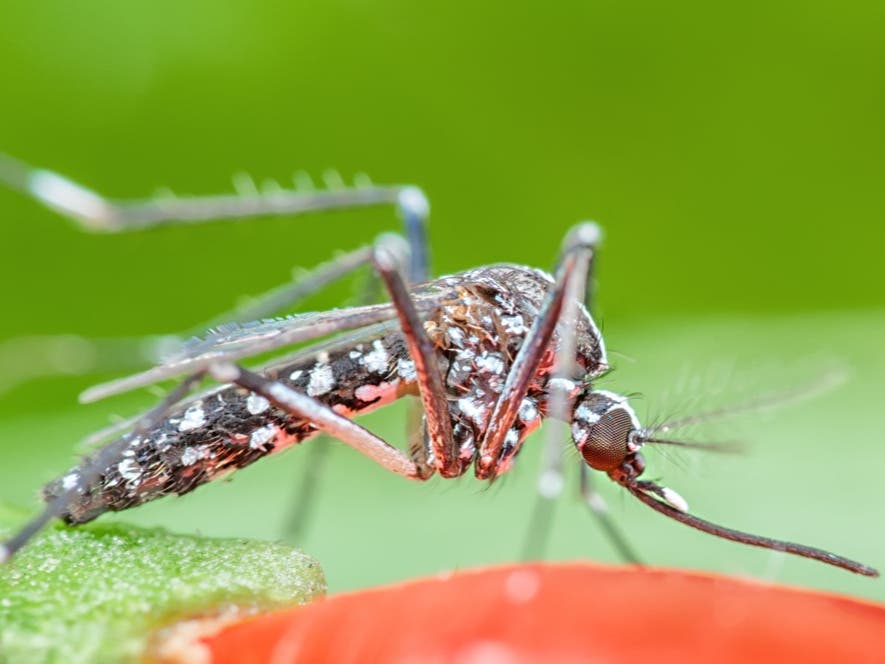
 Boston, MA, August 20, 2026 —
Public health officials in Massachusetts have confirmed the presence of Eastern Equine Encephalitis (EEE) in mosquito samples for the first time this summer. The detection marks an early start to the season for the potentially dangerous mosquito-borne illness.
In response to the findings, health authorities are urging residents across the state to be vigilant and implement protective measures against mosquito bites. EEE is a rare but serious disease that can cause inflammation of the brain, with a high fatality rate in humans.
While the specific locations where the positive mosquito samples were collected have not been detailed, the confirmation serves as a critical alert for communities. Officials recommend a multi-faceted approach to reducing risk, including using EPA-registered insect repellents when outdoors, wearing long-sleeved shirts and long pants during dawn and dusk when mosquitoes are most active, and ensuring that windows and doors have intact screens to prevent mosquitoes from entering homes.
The Massachusetts Department of Public Health (MDPH) typically monitors mosquito populations for various arboviruses throughout the warmer months. The early detection of EEE underscores the importance of ongoing surveillance and public awareness campaigns. Further updates on mosquito surveillance and risk levels are expected as the season progresses. Residents are advised to stay informed through official public health channels.
Story summarized from the original created by Scott Souza on patch.com, see more information here.
Media gallery


