Rehabletics’ Dr. Jaime Mor Shares Winter Injury Guide for South Jersey Athletes
Cherry Hill PT Dr. Jaime Mor shares a winter injury guide for South Jersey wrestlers, basketball and hockey players,

Press Release Disclaimer: This is a press release distributed through the XPR Media network. It has not been independently verified by our newsroom.
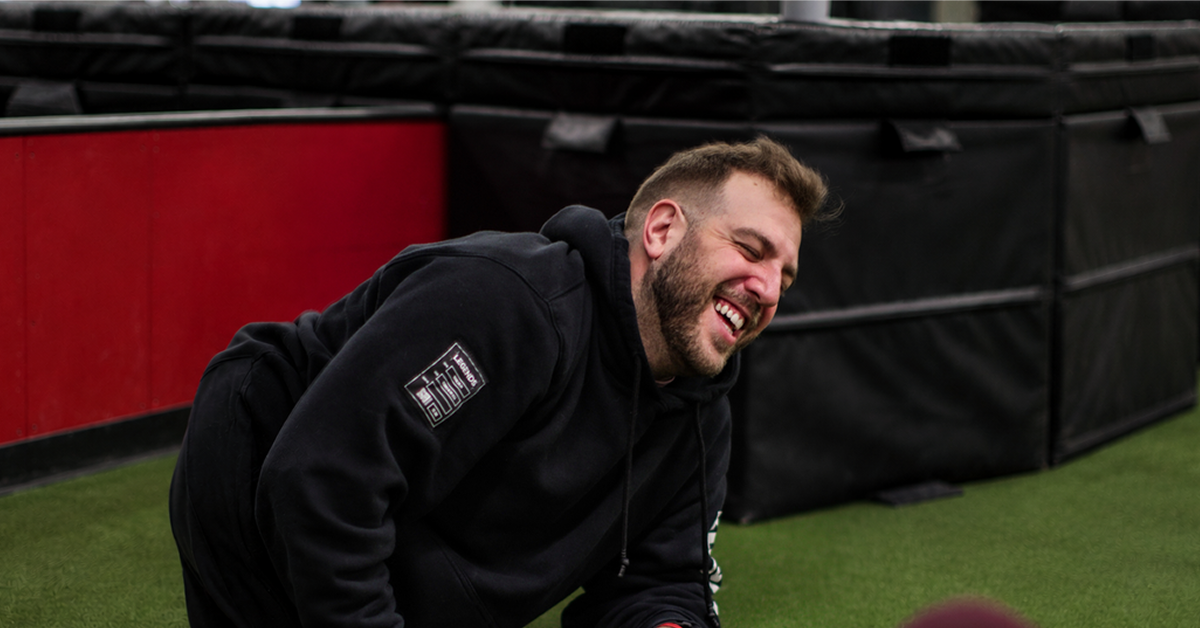

Cherry Hill PT Dr. Jaime Mor shares a winter injury guide for South Jersey wrestlers, basketball and hockey players, with warning signs and prevention tips.
CHERRY HILL, NJ, UNITED STATES, November 24, 2026 /EINPresswire.com/ — As high school and youth winter seasons get underway across South Jersey, Rehabletics Sports Physical Therapy founder Dr. Jaime Mor, PT, DPT, ATC, has shared a winter season injury guide for wrestlers, basketball players, hockey players and their parents. The guide outlines the most common injuries in each sport, the warning signs that call for a physical therapy evaluation, and five habits that can help athletes stay healthy through the postseason.
According to Mor, winter injuries often follow a familiar pattern. Hockey practices begin in mid-November, basketball and wrestling start after Thanksgiving, and many athletes move straight from a fall sport into a winter sport with little rest. Mor points to cold gyms and rinks, back-to-back tournament weekends and late-season fatigue as added stress on the body.
“Winter athletes put a lot of load on their bodies in a short window,” said Mor. “Most of the injuries we treat come from fatigue, a fast turnaround from fall sports, or an old injury that was never fully rehabbed. Many of them can be prevented.”
In wrestling, the shoulder and knee are among the most commonly injured areas. A study of high school wrestling injuries published in the American Journal of Sports Medicine found that the shoulder and knee together accounted for about one third of reported injuries. Common problems include shoulder sprains and dislocations, injuries to the AC joint at the top of the shoulder, sprains of the MCL ligament on the inner side of the knee, and tears of the meniscus, the cartilage cushion inside the knee. The guide also notes that skin infections such as ringworm spread mainly through skin-to-skin contact and recommends daily skin checks.
In basketball, ankle injuries lead the list. According to the 2024-25 summary report of the National High School Sports-Related Injury Surveillance Study, known as High School RIO, ankle sprains and strains made up 39.2 percent of boys’ and 35.2 percent of girls’ high school basketball injuries. The guide also covers jumper’s knee, an irritated tendon just below the kneecap, and Osgood-Schlatter disease, a painful bump below the knee that can appear in teens during growth spurts.
“A quick return after an ankle sprain is not the problem. Returning without the balance and strength work is,” said Mor. “That is why so many players roll the same ankle again later in the season.”
In boys’ high school ice hockey, concussion was the most common diagnosis in the same High School RIO report. Mor explains that the skating stride also places heavy, repeated load on the groin and hip flexor muscles. He regularly treats hockey players for groin strains, hip impingement, tears of the labrum, the ring of cartilage around the hip socket, and shoulder injuries from contact with the boards.
“Hockey players often skate through hip and groin pain because it starts as tightness,” said Mor. “If it hurts with every stride, get it looked at before it turns into a season-ending strain.”
The guide recommends a physical therapy evaluation when an athlete has pain that changes how they run, jump, skate or grip; swelling that has not improved after a few days; a joint that feels loose or gives way; numbness or tingling down the arm; or pain that worsens from week to week. It advises that athletes who cannot bear weight or have an obvious deformity seek urgent care first, and that any suspected concussion follow the school’s concussion protocol with a physician. Under New Jersey’s direct access law, patients can begin physical therapy without a physician’s referral.
The five prevention habits in the guide are a 10- to 15-minute warm-up before practices and games, a few rest days between fall and winter sports, strength training twice a week during the season, consistent sleep and hydration between tournament days, and reporting pain early.
About Rehabletics Sports Physical Therapy: Rehabletics Sports Physical Therapy is a sports physical therapy clinic at 5 Esterbrook Lane in Cherry Hill, New Jersey, founded by Dr. Jaime Mor, PT, DPT, ATC, who has practiced since 2013. The clinic serves as a sports physical therapy contractor for the Philadelphia Flyers and Philadelphia Eagles. Each visit is a 60-minute, one-on-one session with a doctor of physical therapy, and the clinic uses force plate testing, which measures strength and power, to help guide return-to-play decisions. Rehabletics serves athletes and active adults across South Jersey.
Jaime Mor
Rehabletics Sports Physical Therapy
+1 609-354-7987
jmor@rehableticsnj.com
Visit us on social media:
LinkedIn
Instagram
Facebook
YouTube
72 Hours to Game Day: How We Rehab Ankle Sprains In-Season
Legal Disclaimer:
EIN Presswire provides this news content “as is” without warranty of any kind. We do not accept any responsibility or liability
for the accuracy, content, images, videos, licenses, completeness, legality, or reliability of the information contained in this
article. If you have any complaints or copyright issues related to this article, kindly contact the author above.

Media gallery